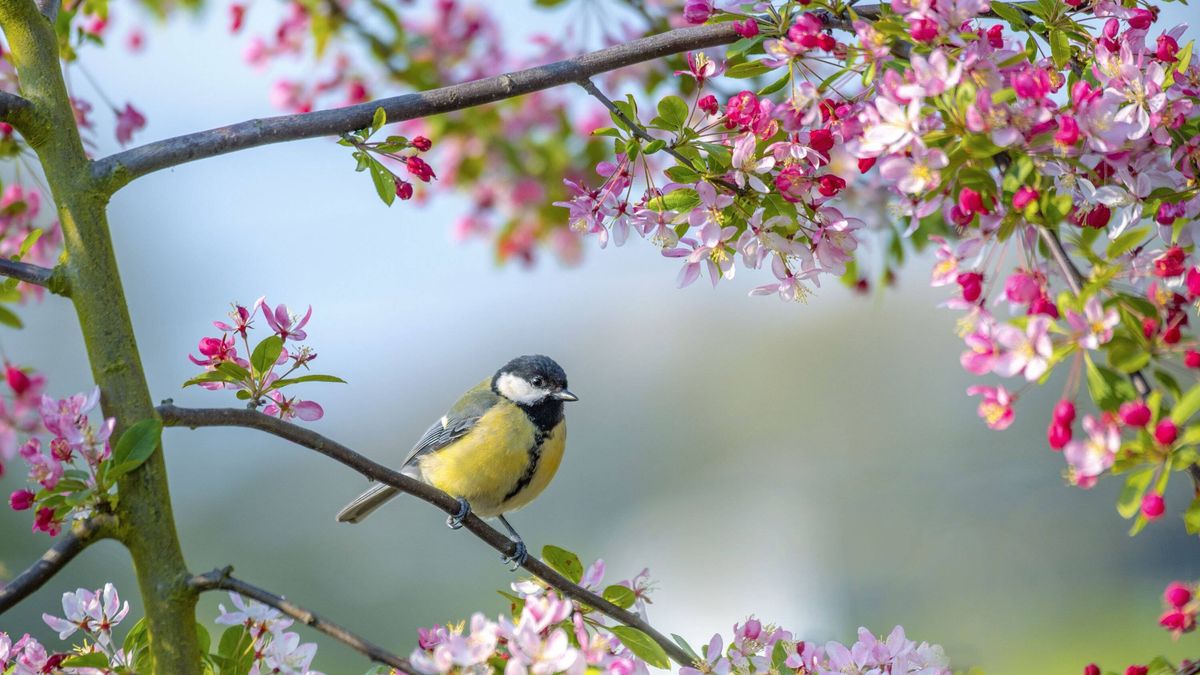
Garden birds can be protected from diseases in two simple ways(Image: Getty)
The Royal Society for the Protection of Birds (RSPB) has released updated advice on how to safeguard birds in UK gardens from highly infectious diseases, as recent research has revealed an alarming decline in numbers of some of the nation's most cherished garden birds.
The RSPB has highlighted that a highly transmissible disease known as trichomonosis is spreading rapidly and significantly impacting the population of garden birds, particularly greenfinches, chaffinches, and now, potentially bullfinches as well. The figures paint a troubling picture – the UK's greenfinch population has experienced a sharp decline of over 65% over the past 30 years.
Trichomonosis is a deadly disease affecting garden birds and originates from a microscopic parasite called Trichomonas gallinae. Bird feeders are a prime location for the transmission of this disease, as are any areas where garden birds congregate in large numbers.
According to scientific evidence, summer and autumn are regarded as the two seasons posing the greatest risk of trichomonosis outbreaks.
With this in mind, the RSPB has issued updated guidance on how to protect our much-loved garden birds – and the solution lies in a straightforward two-step process focused entirely on how we feed these birds, reports the Express.
The UK's bird population is declining and the numbers are worrying(Image: Getty)
The RSPB says: "We can help stop the spread of disease among garden birds by making two simple shifts to how we feed birds. Put simply: Feed seasonally. Feed safely."
In a significant shift, the RSPB's updated guidance now advises a break from feeding garden birds seeds and peanuts during the period between May 1 and October 31.
The guidance states: " During summer and autumn, there's a higher risk of disease spreading. But it's also when there are more natural foods available to birds, such as seeds and insects. You can continue to offer small amounts of mealworms, fatballs or suet. During spring and summer, dried mealworms can be soaked in water to make them easier for nestlings to eat."
The RSPB goes on to add: "Suet products can be left out for up to 7 days. Seed and peanuts should all be eaten within 1-2 days. Mealworms should all be eaten or cleared away by dusk the same day (especially if scattered on the ground). This will help to prevent any leftover mealworms being consumed by Hedgehogs, which Hedgehog rehabilitators have raised as a concern."
The RSPB advises suspending the refilling of bird feeders with peanuts or seeds between 1 May and 31 October, as natural food sources are abundant throughout summer, meaning garden birds require less supplementary feeding during this period.
Small and simple steps can go a long way towards protecting UK garden birds(Image: Getty)
Modest quantities of mealworms, suet, or fatballs may still be provided, as these protein-rich foods contribute to improved survival rates amongst chicks. Finches in particular are less drawn to suet and fat, meaning the likelihood of illnesses such as Trichomonosis spreading is considerably reduced.
Between November 1 and April 30, you can return to offering birds the full selection of bird foods, including peanuts and seeds.
Feeding birds safely is an underappreciated yet crucial step when it comes to safeguarding birds in our gardens.
The RSPB says: "To further reduce the risk of disease, we also recommend that you feed only small amounts, don't use bird feeders with flat surfaces, keep your feeders clean, and only put out water if you can change it every day."
Adjusting the quantity of bird food you provide based on actual demand is a wise move, so as to avoid overfeeding.
It is also advisable to keep bird food as dry as possible and stop it from becoming wet and sodden. This is simply because damp food enables disease to spread and persist, making it best to choose feeders which reduce condensation and stop rain from entering.
Furthermore, the RSPB recommends using hanging feeders rather than flat feeders. The guidance says: "Don't use bird feeders with flat surfaces, such as bird tables, window feeders and feeders with trays. Research has confirmed that there's a higher risk of disease spreading on flat surfaces, where contaminated food can collect."
The RSPB has issued fresh guidance on how we can protect our birds(Image: Getty)
The Royal Society for the Protection of Birds adds that cleaning your bird feeders and water baths at least once a week is essential, as maintaining good hygiene is a vital part of protecting birds in gardens.
"Clean with hot soapy water and disinfect with a non-toxic disinfectant or a mild (5%) bleach solution. Be sure to also clean away any old food or droppings from beneath feeders."
This is because leftover food can draw rodents, while fresh food is far less likely to contain bacteria or transmit disease.
The RSPB adds: "Busy bird feeders can become hotspots for disease. Place your bird feeders in a different spot every week. This will help to prevent any build-up of potentially contaminated debris underneath. If you have more than one feeder, put them in different areas to reduce the number of birds in one place and the mixing of different species".
The bird conservation specialists also warn against positioning feeders beneath spots where birds roost, such as under trees, to prevent contamination through droppings.
The RSPB adds: "Help birds find their own food. One of the best ways to support garden birds in the long-term is to help them find their own food. So fill your outdoor space with bird-friendly plants – such as sunflowers, teasels and ivy. These help provide natural food sources for birds."
By implementing these minor and straightforward measures to feed birds safely and seasonally, collectively we can help safeguard the bird population of the country and protect their future.
Choose Wales Online as a 'Preferred Source' on Google News for quick access to the news you value.
At Reach and across our entities we and our partners use information collected through cookies and other identifiers from your device to improve experience on our site, analyse how it is used and to show personalised advertising. You can opt out of the sale or sharing of your data, at any time clicking the "Do Not Sell or Share my Data" button at the bottom of the webpage. Please note that your preferences are browser specific. Use of our website and any of our services represents your acceptance of the use of cookies and consent to the practices described in our Privacy Notice and Terms and Conditions.