Our website is temporarily unavailable in your location.
We are working hard to get it back online.
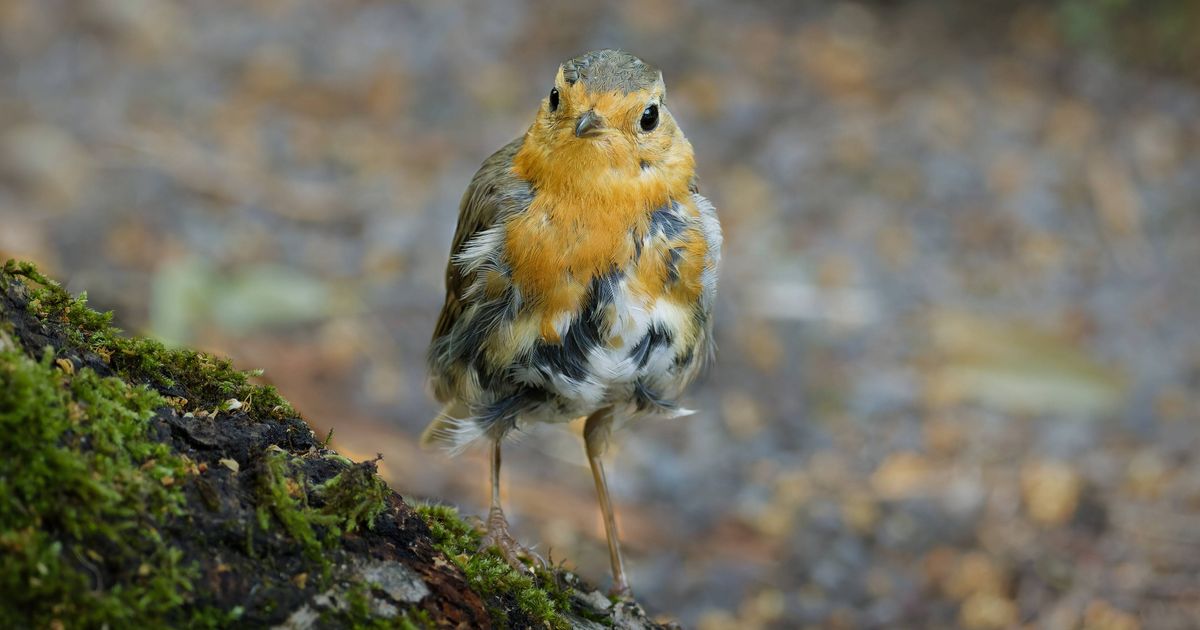
Garden birds are undergoing their annual change, which can make them look 'unusually scruffy' – here is how you can support them
Following multiple heatwaves across the UK, garden birds are now facing a change, according to wildlife specialists. Many species are now undergoing their annual moult, shedding feathers that have become tatty and damaged throughout the breeding season.
For the majority of birds, this process occurs between July and October, usually lasting anywhere from four to eight weeks. Throughout this period, wildlife experts note that birds can appear 'unusually scruffy' and may become far less visible in gardens as they retreat to dense vegetation while their flight feathers regenerate.
Feathers progressively deteriorate and cannot repair themselves as they consist of dead protein. Birds often shed feathers from their heads, bodies, or tails simultaneously, which can give them a dishevelled or patchy appearance.
READ MORE: {{title}}
The task of producing new feathers demands considerable energy and protein, potentially leaving birds feeling drained and vulnerable. While moulting, birds typically remain quiet and concealed within thick shrubbery to shield themselves from predators as their flight feathers develop, reports Wales Online.
Wildlife specialist Sean McMenemy has offered his advice for helping garden birds navigate this phase. He says don't be alarmed if your usual visitors vanish.
Should a regular robin, blackbird or blue tit suddenly cease appearing in your garden, don't immediately jump to conclusions that something's amiss, Sean advises. Numerous garden birds become significantly more reclusive during their moult and may be absent from feeders and lawns for several weeks.
Robins may start moulting as early as July, while blue tits, blackbirds and house sparrows could carry on moulting well into September or October. Rather than altering your garden arrangements in response to the temporary lull in activity, he advises keeping up food, water and shelter.
Sean says: "Don't intervene simply because a bird looks unusually dishevelled. Missing or uneven feathers, bald-looking patches and generally scruffy plumage can all be normal signs of moulting. Most garden birds replace their flight feathers gradually, allowing them to retain the ability to fly while the process takes place".
Unless there are clear indications of injury or illness, avoid approaching or trying to catch birds that appear scruffy, he cautions. Offering cover and leaving them undisturbed is typically the best form of support.
Sean suggests that the most helpful thing gardeners can do during moulting season is stick to the fundamentals: nourishing food, fresh water, clean feeders and ample natural shelter. Bird activity should slowly pick up again once moulting wraps up, he notes, so don't lose heart if your garden goes a bit quiet for a spell.
"By keeping resources available throughout the process, you'll ensure birds have somewhere reliable to return to when they're ready," he added.
Keep supplying high-quality, protein-packed bird food, such as suet pellets and mealworms, advises Sean. The moulting process demands birds regenerate a complete set of feathers, making consistent access to nourishing food especially crucial.
"Don't be tempted to stop feeding simply because fewer birds are visiting, as your garden might be a lifeline for those that are," he said. "Avoid filling feeders with more food than birds are likely to eat within a few days, particularly while activity is lower. This helps prevent food from becoming stale or damp and makes it easier to keep feeders clean."
Inspect feeders routinely and clean them often, particularly when food sits untouched for extended periods. Sean recommends beginning by removing any stale or leftover food and taking the feeder apart entirely. Immerse all components in warm water mixed with an appropriate cleaning agent, such as diluted disinfectant, detergent, vinegar, or a specialist bird-safe product.
After soaking, scrub every part using a firm-bristled brush, focusing on feeding openings, nooks, and sections exposed to droppings or moisture-damaged food. After this, rinse everything thoroughly with clean water to remove any remaining cleaning solution. Should birds suddenly reappear at feeders after a prolonged absence, step up cleaning frequency as visitor numbers rise.
Allow dense patches of vegetation to grow wild, creating safe havens for birds as their flight feathers develop, Sean advises. Hedgerows, shrubs and trees offer both protection and natural food, enabling birds to stay near cover instead of making risky trips across open garden spaces.
He suggests resisting the urge to cut back thick vegetation excessively in late summer, particularly in spots where birds regularly take refuge.
Resist the temptation to deadhead every flower or remove all seed heads from your garden. Letting certain grasses and flowering plants go to seed provides birds with extra natural feeding options to complement any supplementary food you offer.
Plants that produce berries, along with native trees and shrubs, can supply additional nourishment while birds spend extended periods foraging naturally within dense cover. A varied garden featuring plants, insects, seeds, and fruit offers birds multiple alternatives if they're visiting feeders less often. During dry spells, give your wild trees and shrubs an extra drink to support a healthy garden ecosystem.
Ensure a dependable supply of clean, fresh water is available for birds to both drink from and bathe in. Sean recommends changing bird bath water regularly and cleaning containers often to prevent the accumulation of debris, droppings, and dangerous pathogens.
Position water sources within easy reach of natural cover so birds can access them swiftly, but avoid placing them so near that cats or other predators might lurk in the foliage. For birds with compromised flight feathers during the moult, a ground-level drinking station works particularly well.
Birds going through their moult may be less nimble than usual, so help them reach safe spots if they're startled. Site feeders close to trees or bushes, offering birds a place to escape without needing a lengthy, vulnerable flight. That said, don't position feeders right against thick undergrowth where cats might lie in wait.
Keeping dogs and cats away from spots where birds routinely feed or rest can also reduce unwanted disruption during this delicate time. Fitting a bell to your cat's collar is an excellent way to warn moulting birds of approaching threats.
Eight ways to help robins and blackbirds as they undergo major change in September – RSVP Live

ByAvlyn Eriz
Sep 4, 2026